
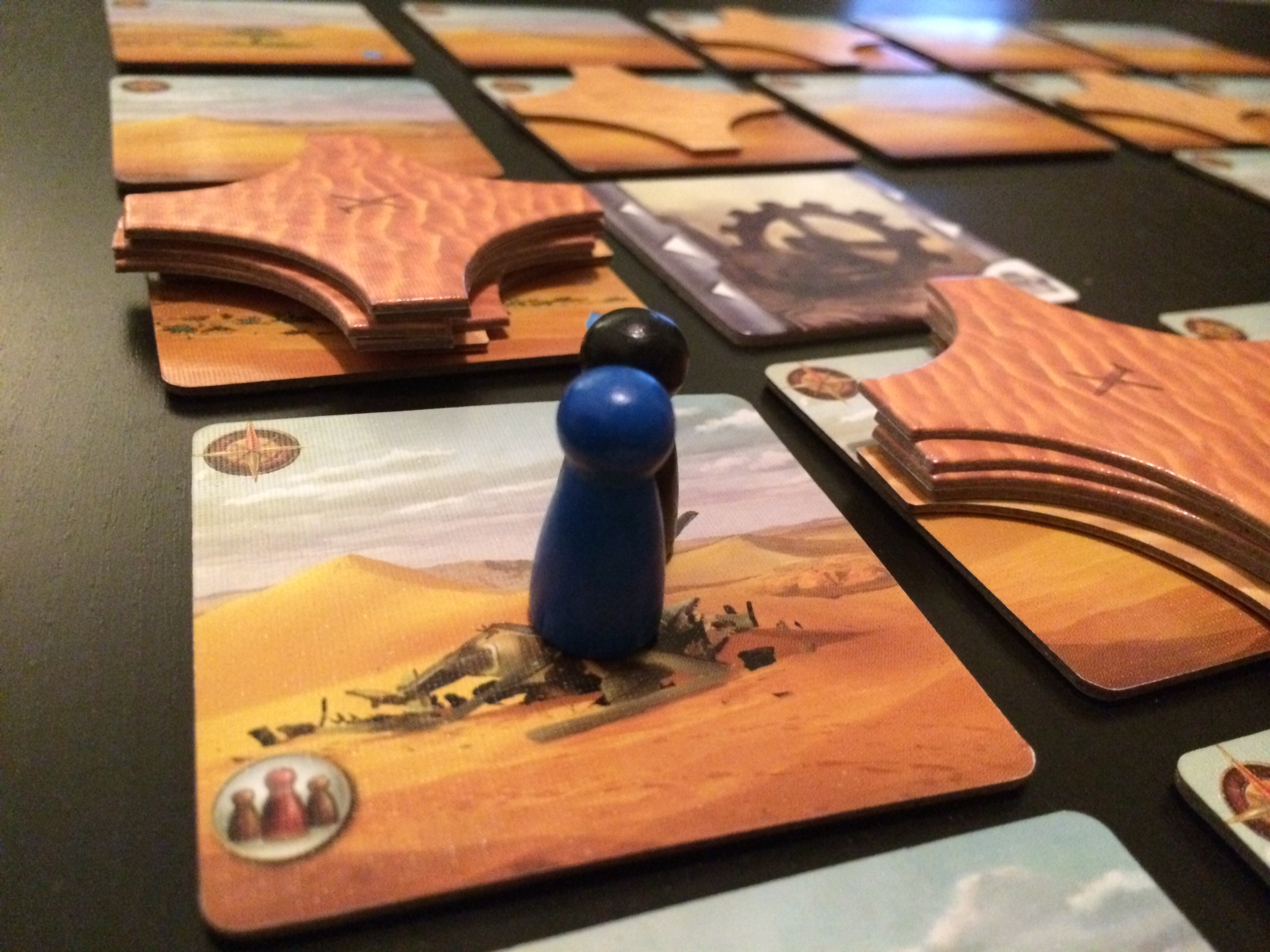
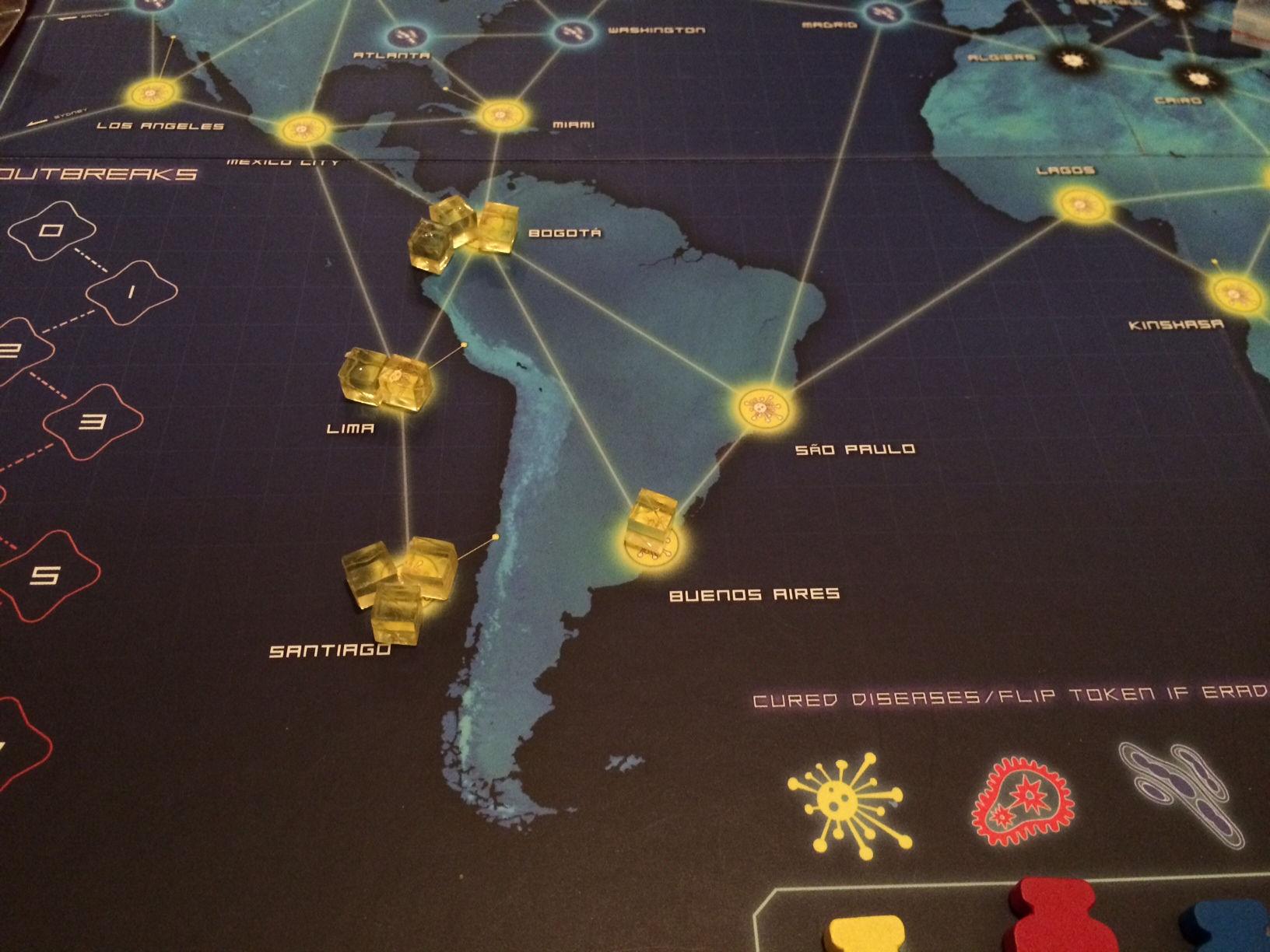
Before I became a board game enthusiast, I didn’t put much behind why I liked or didn’t like a particular game. But as I’ve played more of them, I’ve become more cognizant of the components that create an experience while developing my own taste when it comes to theme and mechanics. One aspect of the board game experience that seems to be a point of contention with more serious players is the element of chance. I find that there are extremists that have a real problem with their livelihoods being determined by a roll of the dice or the flip of a card from a shuffled deck.
For those who prefer to have as much control over your experience as possible, that’s great. Everyone is free to play what they like and there are no shortage of games that are designed to minimize chance. However, I don’t think it’s fair to disregard chance as a whole as a bad thing. When it’s implemented correctly, the element of chance can positively contribute to the enjoyment we get out of a game.

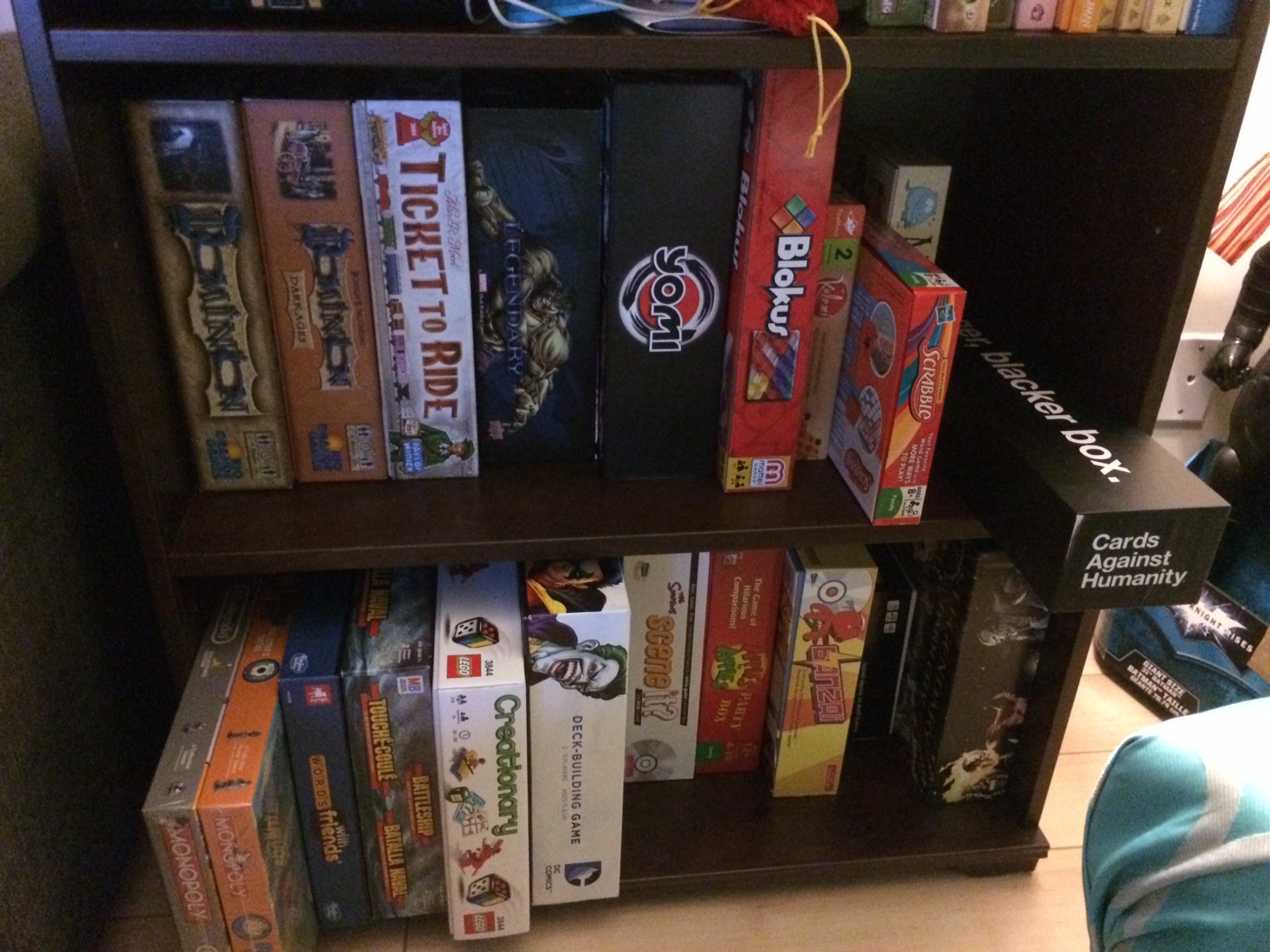
 How many is too many? It depends on your definition of too many. With video games, I’m very particular about what that exactly means. At this point, I’ll make shelf space for any great ones I’m currently playing or have played before, but my tolerance for keeping mediocre titles or ones that I’ll realistically never play has dropped dramatically. Since October, I’ve traded in about 40 games that I felt were worth more as trade bait than as artifacts in my collection. As I continue to invest into my new board game hobby, this question is beginning to become a factor in my buying process.



 In Third Person