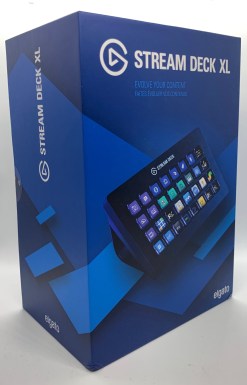
Bigger isn’t always better. But for my sake, I really hope the adage holds true for my new Elgato Stream Deck XL. Let’s open this thing up together!
Bigger isn’t always better. But for my sake, I really hope the adage holds true for my new Elgato Stream Deck XL. Let’s open this thing up together!
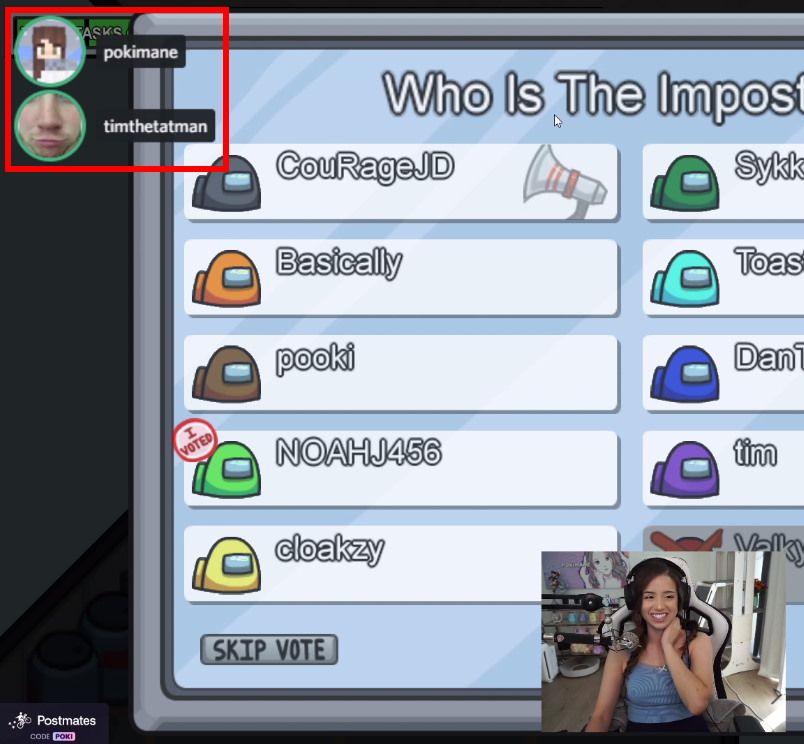
Among Us is the hot game right now, particularly in the world of Twitch. Most of its best parts involve players debating whodunnit. As a viewer, it can be difficult to know who is talking, since you usually only see the streamer.
While browsing Pokimane‘s stream, I noticed that she had a particular solution to this problem. How did she get her Discord voice chat bubbles to appear on screen? Follow this guide and you can have this feature on your stream too!

Green screens work incredibly well for the purposes of background removal. However, the application of green screen technology doesn’t have to be an all-or-nothing proposition. Inspired by MissMollyMakes, I incorporated green screen technology into my physical background. Here’s how you can do something similar!
Elgato gave streamers a new level of control with the Stream Deck. It’s my favourite piece of streaming hardware, as it allows me to switch scenes, manage audio, trigger replays, and even stage a concert with the push of a button. I love the device and the Stream Deck platform so much that I just doubled down and bought a Stream Deck XL for access to even more buttons.
Many alternatives have risen in its wake, though they’re almost entirely software solutions that use your PC or phone. The Stream Deck still sets itself apart by being a physical device with tangible buttons that can be pressed without having to take your eyes off the camera.
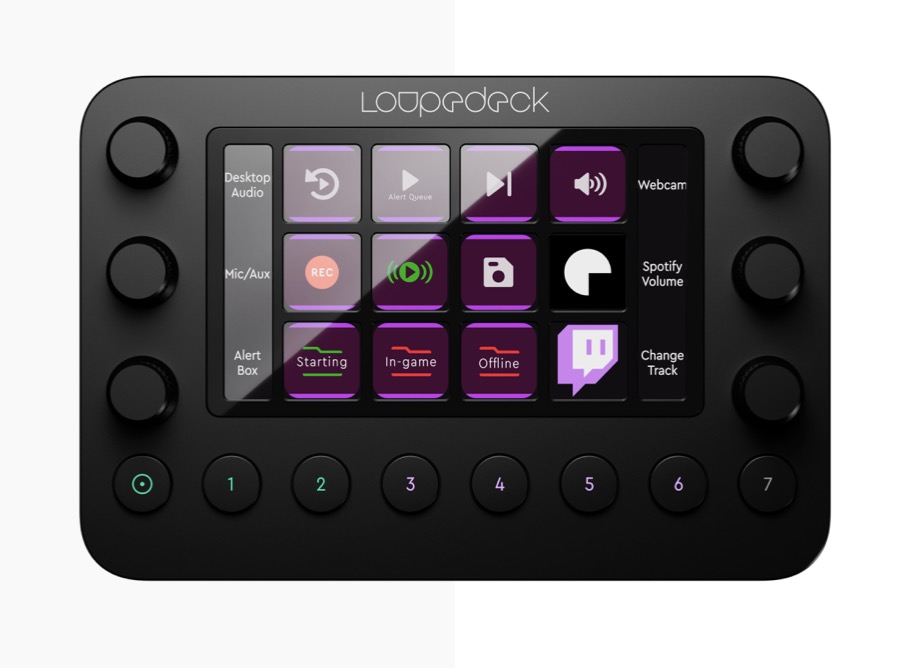
Enter the Loupedeck Live. Best known for making tactile control devices for content creation, they’re taking their expertise to the world of streaming.
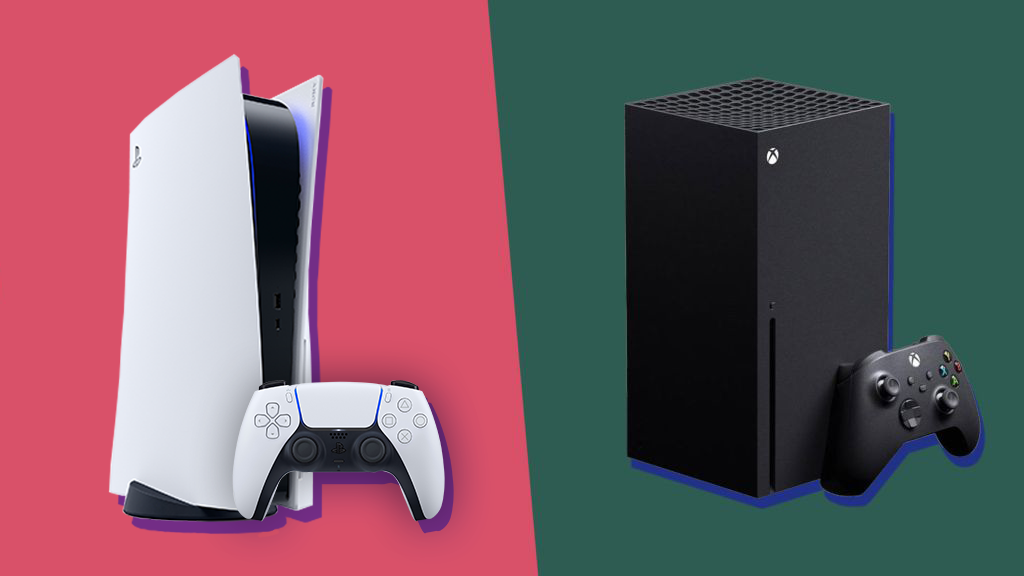
For the past year, I’ve been saving up for one of the two next generation consoles. The plan was to purchase one of the two at launch later this year. Though I’ve seen some exciting things from both, neither have made the definitive case for why I should take one over the other.
In recent days, a new challenger has emerged to complicate matters further.
A few days ago, Elgato opened up applications to its streamer partnership program. Though I’m generally weary of any sort of partnership or sponsorship programs aimed at small streamers for how slanted they are in favour of the brand, I decided to give this one a shot. I did so because I am a fan of the brand’s products, applying alone didn’t appear to lock me into anything overly-exploitive, and whatever permissions I gave them to my channels could be easily revoked if they rejected me.
Well, they did reject me. That’s okay. There’s a silver lining to my application that you may want to take advantage of while the opportunity is still open.
So you want to be the next big streamer. You saw Ninja make millions by playing video games on Twitch and want to do the same. Totally understandable.
How feasible is it to actually turn your gaming hobby into a streaming career? Though I am far from a Twitch expert – particularly when it comes to growth – there are tidbits of knowledge I’ve picked up from my personal experience, from streaming gurus, and from publicly available data on sights like Twitch Tracker and Sully Gnome.
In this post, let’s focus on the hard data. When I think about the realities of growing my channel on Twitch, these particular factoids go a long way to put things into perspective for me. Hope they do the same for you on your journey!
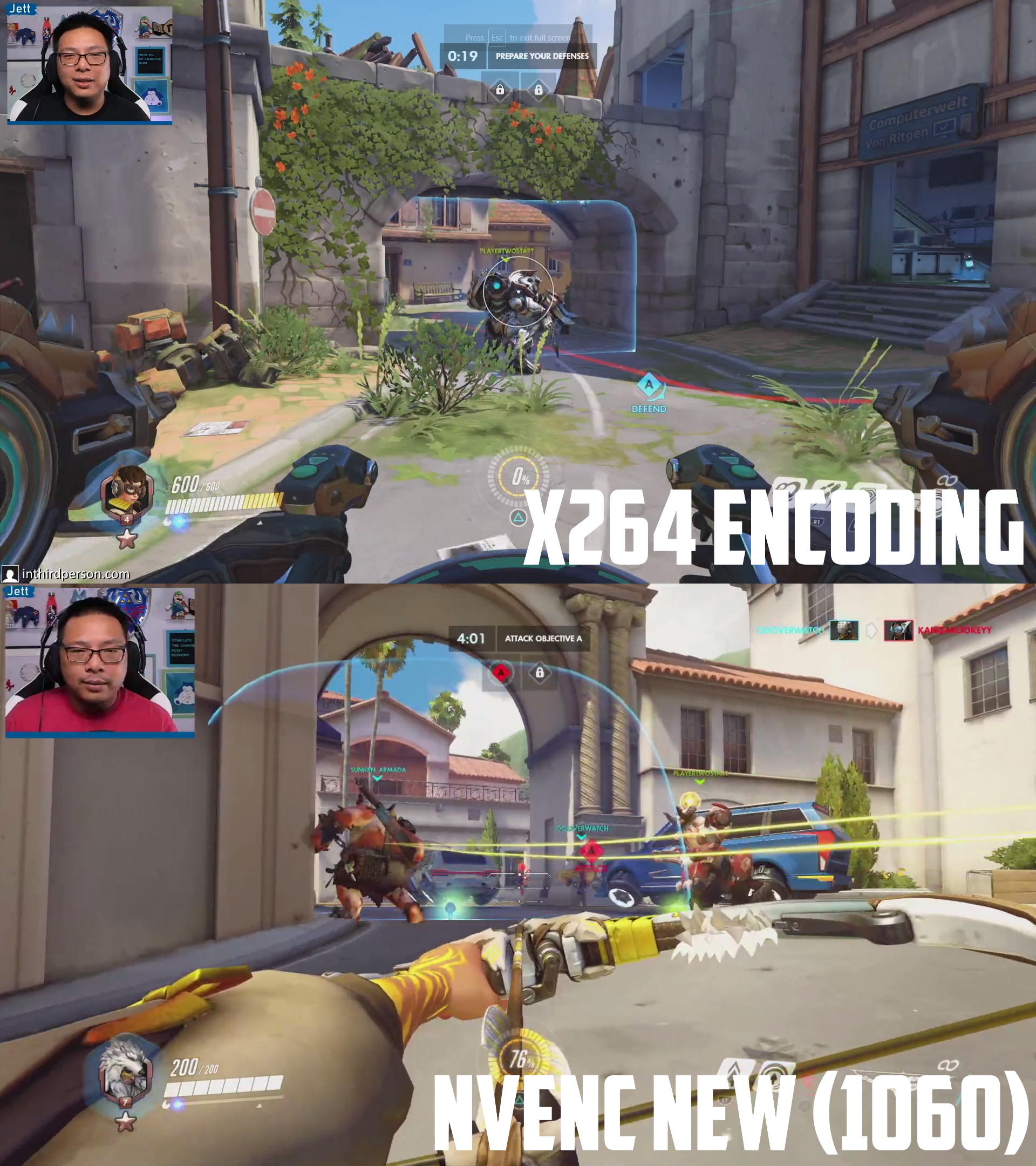
Can you tell the difference between the Overwatch stream at the top and the Overwatch stream at the bottom? The difference in visual fidelity may not come through all the way and might not even be apparent if you watch snippets of both. For me, it’s the latest thorn in my side that won’t be cheap to solve.
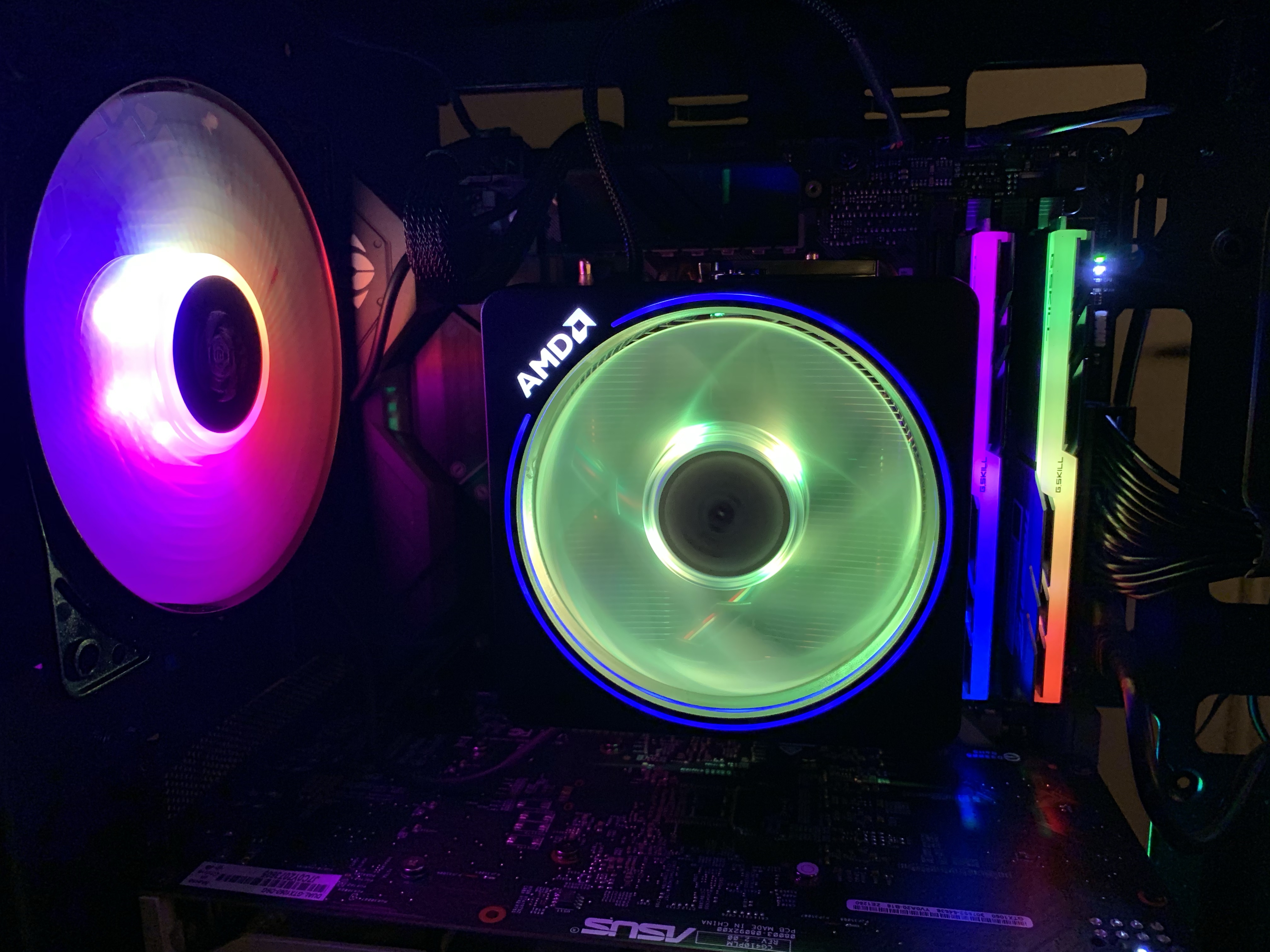
“But Jett, didn’t you literally just get a new PC and gaming chair?”
Yes. So far, I’m loving both! But there’s always work to be done. Here are a few more items on my list to pick up!
 Almost every aspect of the Twitch experience is driven by quantifiable and publicly-facing values. We know how many people are watching any channel at any given time. We know follower counts. We know which streamers are Twitch Partners because of the checkmark beside their names. If you dig just a bit deeper, you can find pretty much every performance metric for any channel, right down to the breakdown of how many paid subs it receives each month.
The Twitch and broader live streaming community at-large embrace these types of quantifiable systems. Streamers flash on-screen notifications every time someone follows or subscribes to their channel. Viewers flaunt their streamer-exclusive emotes on other channels. Even outside of Twitch, many streamers proudly declare that they are Twitch Affiliates or Twitch Partners in their social media bios.
All of this is in service of creating an ecosystem where viewers and streamers become emotionally and financially invested in the platform. In large part, it works as Amazon intended. They make money hand-over-fist by displaying ads and by taking their cut of Bits and Subs. Meanwhile, many of its audience “bleed purple” to the point where most chose to stay on Twitch even when its top creator left for Mixer.
These systems can tell us a lot about the performance of a channel. However, there’s a ton of danger when we apply these channel-specific values to ourselves. It creates a lot of friction on Twitch in very overt and subversive ways that can be incredibly draining on one’s mental health.
 In Third Person